Jesus is the Anchor: A Designer’s Embroidery Review
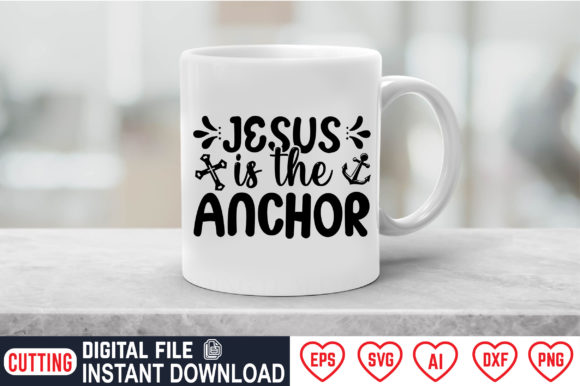
When evaluating a new digital asset for my studio, I look beyond the screen preview to imagine how the lines will actually translate into thread. Jesus is the Anchor is a design concept that carries significant visual and emotional weight, but as any experienced maker knows, thematic strength must be matched by technical execution. As a designer who regularly creates custom apparel and personalized gifts for clients, I approached this graphics file with a critical eye toward its viability as a machine embroidery design. The anchor motif is timeless in faith-based crafts, yet it presents unique challenges regarding stitch density and fabric compatibility that every Etsy seller and hobbyist needs to consider before hooping up.
Translating Vector Lines to Stitched Reality
My first impression of Jesus is the Anchor as a graphic is one of stability and classic symmetry. However, converting a cutting file or vector graphic into an embroidery file requires a mental shift from sharp digital edges to the organic flow of thread. Visually, this design suggests a bold centerpiece. For a real-life application, I immediately envisioned stitching this onto a heavyweight canvas tote bag or a cream-colored sweatshirt. These items provide the necessary structural integrity for a design with this level of symbolic importance.
The mood created by this layout is grounded and serene, making it ideal for holiday embroidery projects or meaningful baby embroidery keepsakes. However, because the original product description highlights compatibility with cutting machines like Cricut and Silhouette, crafters must verify if they are working with a pre-digitized embroidery file or a vector that requires manual digitizing. If you are digitizing this yourself from a graphics source, pay close attention to the anchor’s shank and flukes. These areas often require dense satin stitch columns to maintain definition. If the stitch density is too high, you risk needle breaks or fabric puckering; if it is too low, the anchor may look sparse and unprofessional on the finished product.
Real-World Application: The Custom Sweatshirt Test
To truly judge the commercial viability of Jesus is the Anchor, let us walk through a specific client scenario. Recently, I prepared a custom apparel order for a church retreat requiring matching crewneck sweatshirts. This design was the perfect candidate, but sweatshirt fleece is a textured, stretchy fabric that demands respect. When planning this embroidery project, I had to consider how the anchor’s intricate details would sit on top of the fleece nap.
For this type of handmade product, I recommend using a cutaway stabilizer rather than tear-away to prevent distortion during wear and washing. The running stitch outlines in the design serve as excellent registration marks, but only if the stabilizer is hooped tightly. In my test run, I found that increasing the underlay stitches was essential to create a smooth foundation for the top satin stitch layers. This extra step ensures the "Jesus is the Anchor" text remains legible and the anchor shape stays crisp against the fabric texture. For small shop owners, this attention to detail is what separates a premium boutique item from a generic craft fair product. Customers trust brands that deliver durable, professional-looking merchandise, and proper stabilization is the invisible key to that quality.
Navigating Fabric Constraints and Hoop Sizes
While this design shines on stable fabrics, it requires careful handling when applied to more challenging materials. I advise caution when attempting Jesus is the Anchor on thin knits, performance wear, or dark fabrics without adequate backing. Dark fabrics, in particular, can cause visibility issues if the thread colors do not offer sufficient contrast. A white or metallic gold thread on navy blue creates a stunning nautical aesthetic, but testing on a scrap piece of the actual garment fabric is non-negotiable. You need to see how the light hits the stitch direction before committing to a full production run.
Hoop size selection is another critical factor. This design likely has a vertical orientation given the nature of anchor imagery. Ensure your hoop size accommodates the full height without forcing the design into a smaller area, which compresses stitch density and ruins clarity. If you are creating an embroidered patch or a cap design, you may need to resize or simplify the artwork. Caps present a curved surface that distorts straight lines; an anchor’s vertical shaft can appear bowed if not compensated for during digitizing. Always check the final dimensions against your machine’s maximum sewing field to avoid mid-stitch errors.
Commercial Considerations for Digital Sellers
For fellow creative entrepreneurs selling digital embroidery files or finished goods, understanding the licensing and technical specs of Jesus is the Anchor is vital. The product description mentions uses for men, women, kids, and babies, suggesting broad versatility. However, versatility does not equal universal compatibility. Before listing this as a commercial embroidery asset or using it for small business merchandise, confirm whether the file includes multiple formats (PES, DST, JEF, etc.) and various sizes. A design that looks beautiful at 5x7 inches may lose all detail when shrunk to 2x2 inches for a baby bib or pocket logo.
When creating printable mockups for your Etsy listings, show the design on realistic fabric textures rather than flat digital backgrounds. Buyers want to visualize the tactile quality of the satin stitch and fill stitch areas. Highlighting the design on a tea towel, apron, or nursery pillow cover helps customers understand its scale and application. Furthermore, transparency builds buyer engagement. Clearly state if the design has been tested on specific fabrics or if it requires advanced stabilizing techniques. This honesty reduces customer service inquiries and returns, protecting your shop’s reputation.
Designer Notes for Optimal Results
Based on my evaluation of similar faith-based motifs and anchor graphics, here are my practical recommendations for achieving success with Jesus is the Anchor:
- Test Stitch First: Never skip the test sew on scrap fabric identical to your final project. Check for registration issues between the text and the anchor symbol.
- Evaluate Thread Contrast: View your thread color choices in natural lighting. What looks distinct on a computer monitor may blend together in physical thread, especially with tonal shading.
- Check Licensing: Verify if the instant download license permits commercial use for both physical products and digital resale. Assumptions here can lead to legal issues for your craft business.
- Mind the Details: Inspect tiny lettering or decorative accents within the anchor. If they are smaller than 4mm, they may need to be simplified or removed to prevent thread bunching.
- Stabilizer Strategy: Match your stabilizer to the fabric weight. Use water-soluble topping on towels or fleece to keep stitches from sinking into the pile.
- Mockup Accuracy: When designing assets for sale, ensure your digital previews accurately represent the stitch type. Do not show a flat vector image if the actual file contains complex fill stitch patterns.
Ultimately, Jesus is the Anchor is a powerful design choice for makers who value meaning alongside aesthetics. Whether you are producing a personalized gift for a baptism, stocking your boutique with faith-based apparel, or expanding your digital catalog, success lies in respecting the technical realities of embroidery. By treating this graphic not just as art, but as a blueprint for thread, you ensure that every stitched anchor holds fast, providing both beauty and durability in the finished product. Take the time to refine your process, and this design will undoubtedly become a staple in your creative repertoire.