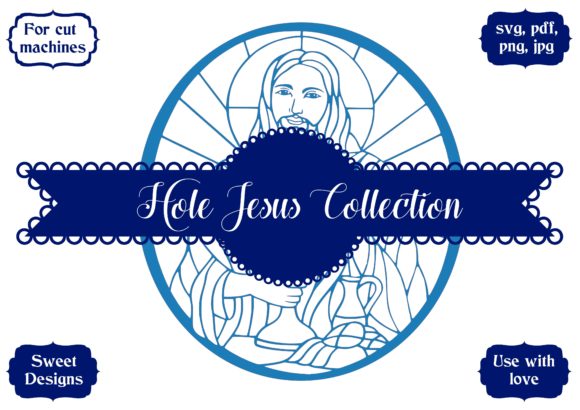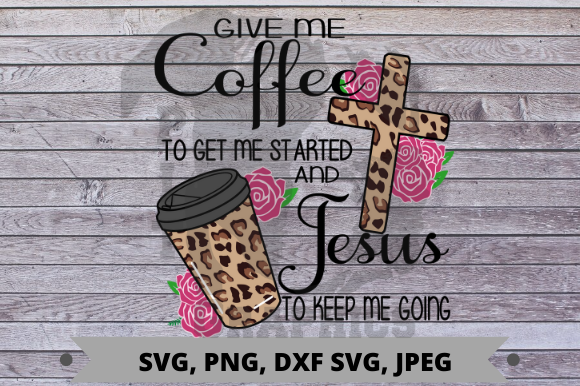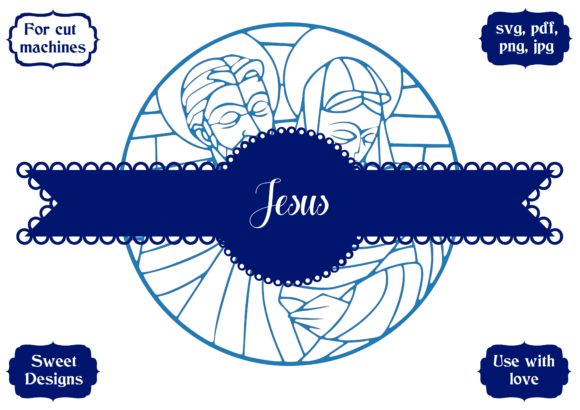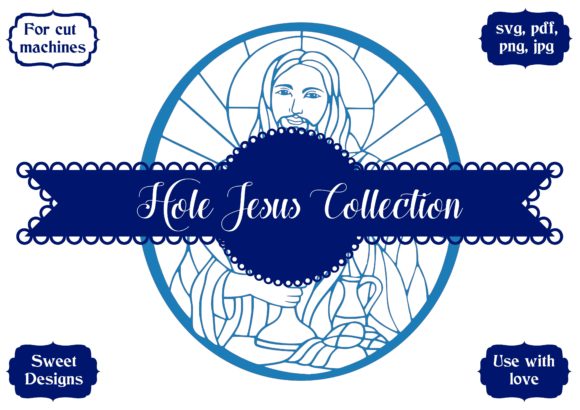
Hole Jesus Tag: Graphics & Crafts for Local Branding
Evaluating Visual Tone for Artisan and Boutique Identity
When reviewing the Hole Jesus Tag as a potential graphic design asset for a local business rebrand, my first assessment focuses entirely on emotional resonance and brand personality. For a recent project involving a handmade soap and candle boutique, this specific tag design immediately suggested a mood that is both reverent and rustic. It does not feel corporate or sterile; instead, it carries a distinct warmth that aligns perfectly with small business branding efforts where personal connection is the primary selling point. The aesthetic leans heavily into the organic and faithful, making it an ideal candidate for businesses that want to communicate values of gratitude, craftsmanship, and community.
In the context of crafts and artisanal goods, this asset avoids the trap of looking overly digital or mass-produced. It possesses a tactile quality that translates well to physical media. For a bakery or coffee shop aiming for a "blessed and homemade" vibe, this graphic serves as more than just decoration; it acts as a visual shorthand for the brand's ethos. However, as a brand designer, I must note that its specific religious connotation requires careful placement. It is not a neutral geometric shape; it is a statement piece. When used correctly within a cohesive brand identity, it fosters immediate trust with a target demographic that shares those values, creating a stronger emotional connection than generic clipart ever could.
Strategic Applications in Packaging and Product Presentation
The true test of any design asset is its versatility across different touchpoints. In our boutique case study, we utilized the Hole Jesus Tag primarily for packaging design rather than as a primary logo mark. This distinction is crucial. While it has strong illustrative qualities, it functions best as a supporting element in commercial design. We applied it to kraft paper hang tags attached to candle jars and soap bars. Because these files are designed to use in Silhouette Studio, Cricut Design Space, Sure Cuts a Lot SCAL and other popular cutting software that accept these files, we were able to produce custom vinyl decals and cardstock tags in-house without outsourcing expensive die-cutting services.
Beyond physical tags, this asset proved valuable for printable design inserts included in shipping boxes. A simple thank-you card featuring this graphic reinforced the unboxing experience, turning a standard transaction into a memorable brand interaction. For food businesses or florists, this tag works exceptionally well as a seal on tissue paper or as a decorative header on menu boards. In terms of marketing visuals, we incorporated the tag into social media graphics for holiday campaigns. Its intricate lines hold up well in digital formats, providing a focal point for Instagram stories or Pinterest pins promoting seasonal specials. The key to successful application here is treating the tag as a premium accent that elevates the perceived value of the product without overwhelming the essential information.
Enhancing Shelf Appeal and Customer Trust Through Detail
Professional branding relies on consistency and detail. Using the Hole Jesus Tag helped establish a clearer visual hierarchy on crowded retail shelves. When placed on a product label, it draws the eye to the center or top of the package, signaling that the item is special or limited edition. For a local business competing against larger chains, these nuanced graphics provide a competitive edge by signaling authenticity. Customers often associate detailed, thoughtful illustration with higher quality ingredients and ethical production methods. By integrating this asset into editorial design for lookbooks or website banners, the business created a unified visual language that extended from the physical product to the digital storefront.
Furthermore, the asset supports better product recognition. When customers see this specific tag style repeatedly across flyers, business cards, and packaging, it becomes a secondary brand identifier. This repetition builds familiarity, which is essential for local business growth. In our testing, products adorned with this branded tag were perceived as more giftable compared to identical products with plain packaging. This demonstrates how a single, well-chosen digital product can directly influence purchasing behavior and improve overall shelf appeal through psychological association.
Navigating Design Constraints and Contextual Appropriateness
While versatile, the Hole Jesus Tag requires strategic restraint. As an experienced designer, I advise against using this asset in formal corporate environments or luxury minimalist brands where clean negative space is paramount. The ornate nature of the tag can clash with stark modernism or compete with dense legal text on ingredient-heavy layouts. It should never obscure mandatory compliance information or barcode scannability on a product label. Additionally, when designing for low-contrast backgrounds, the fine details of the tag may get lost, reducing its impact. In such cases, simplifying the graphic or increasing the stroke weight during the SVG design editing process is necessary to maintain legibility.
Care must also be taken regarding cultural sensitivity and audience alignment. This asset is explicitly faith-based. Using it ironically or in a secular context could damage brand reputation. It is most effective when the business owner genuinely embodies the sentiment the graphic represents. For handmade business owners targeting a broad, secular market, this specific tag might limit reach. However, for niche markets, faith-based boutiques, or seasonal religious campaigns, it is a powerful tool. Always evaluate whether the graphic supports or distracts from the core message. If the tag becomes the only thing the customer notices, rather than the product itself, the design balance needs adjustment.
Technical Validation and Pre-Press Checklist for Makers
Before committing the Hole Jesus Tag to a full production run, rigorous technical testing is non-negotiable. Since this is intended for use with cutting machines, you must inspect the vector nodes. Open the file in your preferred software and check for overlapping paths or open endpoints that could cause the blade to stutter or tear the material. Test the PNG design transparency to ensure there are no white halos when layering over colored backgrounds. For product mockup creation, verify that the resolution is high enough to prevent pixelation when scaled up for posters or banners.
- Font Pairing: Test the tag beside serif, sans-serif, script, and handwritten fonts. Ensure the typography complements rather than fights the illustration's style.
- Color Testing: Preview the asset in black and white first. If it doesn't work in monochrome, it likely lacks sufficient contrast for embossing or foil stamping.
- Licensing Verification: Confirm the commercial license allows for physical product sales and marketing use. Never assume a creative marketplace download includes full commercial rights for client work.
- Material Compatibility: Test cuts on actual cardstock, vinyl, and adhesive paper. Intricate tags often require slower blade speeds and higher pressure settings.
- Competitor Analysis: Compare your usage against similar local brands to ensure your presentation feels unique and not derivative of existing Canva template trends.
Finally, always print a physical proof before mass production. Screen colors and digital previews can be deceiving. Seeing the Hole Jesus Tag on actual textured paper or packaging material reveals how light interacts with the ink and substrate. This step ensures that the final output matches the professional standard required for serious small business branding. By validating both the aesthetic fit and the technical integrity of the file, you transform a simple graphic download into a reliable component of a comprehensive brand strategy.