Christian Cross Design: A Stitcher’s Practical Review
When evaluating a new machine embroidery design for my studio, I look beyond the screen preview to imagine how the artwork will actually translate through needle and thread. The Christian Cross Design caught my attention not just as a religious symbol, but as a versatile graphic asset that bridges traditional faith aesthetics with modern handmade craftsmanship. As an experienced designer who regularly produces custom apparel and personalized gifts, I approached this digital download with a critical eye toward stitchability, fabric compatibility, and commercial viability for small business owners.
First Impressions and Visual Character
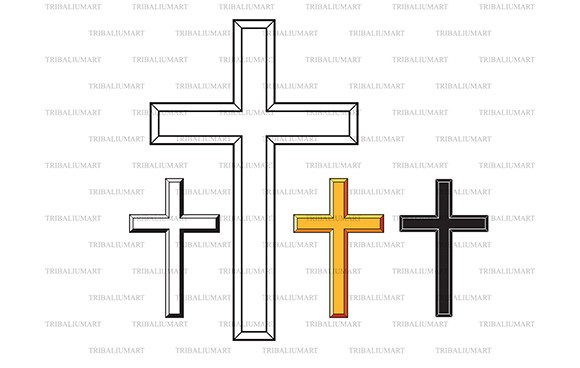
My initial assessment of the Christian Cross Design focuses on its structural integrity. In the realm of Illustrations and Graphics, crosses can sometimes appear overly ornate or too stark. This design strikes a balanced middle ground. The lines appear clean enough to suggest it will digitize well into either a satin stitch border or a manageable fill stitch area, depending on how you choose to interpret the vector files. The visual personality feels timeless yet adaptable, making it suitable for everything from solemn ecclesiastical items to trendy boutique merchandise.
Because this is an instant download containing SVG, DXF, EPS, JPEG, PNG, and PDF formats, it offers significant flexibility. However, as any seasoned embroiderer knows, vector art must be properly digitized for machine use. If you are using these source files to create your own embroidery file, the clean geometry here is a massive advantage. It reduces the risk of jagged edges or unnecessary jump stitches during the digitizing process, which is crucial for maintaining a professional finish on the finished product.
Real-World Application: The Custom Tote Bag Test
To truly judge this design, I mentally placed it in a current client scenario: creating a line of canvas tote bags for a church women’s retreat. Canvas is a textured, medium-weight fabric that demands respect. For this tote bag design application, the Christian Cross Design needs to hold its own against the coarse weave without becoming so dense that it creates a bulletproof patch on the bag.
In this context, I would utilize the design as a centerpiece. If applying it as an applique design, the cross shape provides excellent coverage while keeping the overall item lightweight—a key factor for wearable or carryable goods. Alternatively, if stitching directly onto the canvas, I would monitor the stitch density closely. Too much density causes puckering on natural fibers; too little allows the fabric texture to show through distractingly. This design’s proportions suggest it would scale beautifully to a 5x7 hoop size for a tote, providing ample visual impact without overwhelming the functional space of the bag. For Etsy sellers targeting the faith-based niche, this specific application demonstrates high perceived value and giftability.
Fabric Compatibility and Technical Caution Zones
While the Christian Cross Design is versatile, no single graphic works universally across all textiles. Through years of trial and error, I have identified specific scenarios where caution is necessary.
- Stretchy Knits and Sweatshirts: When planning sweatshirt embroidery, the stability of the cross shape is paramount. Stretch fabrics distort easily. You must use adequate stabilizer (likely a cut-away) to prevent the design from warping after washing. If the design features intricate internal details, they may get lost in the loft of fleece or French terry.
- Delicate Baby Items: For baby embroidery on onesies or bibs, safety and comfort are non-negotiable. Ensure the back of the design is smooth. If the Christian Cross Design is digitized with heavy fill stitches, it could irritate sensitive skin. Always test on scrap fabric first to check for stiffness.
- Caps and Curved Surfaces: Embroidering on caps requires designs specifically structured for curved surfaces. Unless this design has been digitized with cap-specific compensation, centering it on a structured hat might result in registration errors at the top and bottom points of the cross.
- Dark Fabrics: High contrast is essential. Before committing to black navy garments, run a printable mockup or a physical test stitch. Light thread on dark fabric can sometimes look thin if the underlay isn't sufficient. Verify that the design maintains its boldness when inverted.
Commercial Viability for Makers and Sellers
For those running a craft business or managing a small shop product line, consistency builds brand trust. The Christian Cross Design serves as a reliable anchor piece for collections. Its classic nature means it pairs effortlessly with seasonal elements—think florals for spring holiday embroidery or gold accents for Christmas. This adaptability extends the product lifecycle, allowing you to sell variations year-round rather than relying on fleeting trends.
However, a critical note for commercial embroidery entrepreneurs: always verify licensing. While you receive digital assets, confirm whether the license permits selling finished physical products versus digital files. Protecting your business means respecting intellectual property. Assuming you have the correct commercial rights, this design can elevate the professionalism of your listings. Customers associate clean, well-executed religious iconography with quality and reverence; a sloppy stitch-out damages that trust instantly.
Designer Notes for Optimal Results
Based on my experience reviewing similar design assets, here are practical steps to ensure success with the Christian Cross Design:
- Test Before Selling: Never skip the test stitch. Use the exact fabric and stabilizer combination intended for the final project. Check for gaps, thread breaks, or excessive density.
- Evaluate Thread Colors: Religious symbols often carry specific color associations. Test thread colors against various fabric backgrounds. What looks vibrant on screen might appear muddy on linen or neon on cotton.
- Check Hoop Size Requirements: Since specific dimensions aren't listed in the product description, measure the design in your software before purchasing or stitching. Ensure it fits your machine’s maximum field without requiring re-hooping, which introduces alignment risks.
- Mockup Verification: Use the included PNG or JPEG files to create accurate digital previews for your online store. Accurate representation reduces returns and increases buyer confidence.
- Stabilizer Selection: Match your stabilizer to the fabric weight, not just the design. A tear-away might suffice for denim patches, but a fusible mesh is better for lightweight knits used in personalized gift projects.
Final Verdict on Usability
The Christian Cross Design represents a solid foundation for both personal makers and professional decorators. Its strength lies in its potential for adaptation across various mediums, from embroidered patch creation to delicate nursery decor. Success ultimately depends on the user's willingness to test, adjust, and respect the technical requirements of their chosen substrate. By treating this graphic as a starting point for thoughtful production rather than a plug-and-play solution, you can create meaningful, high-quality items that resonate deeply with recipients and customers alike. Remember, in embroidery, the difference between a good design and a great product is always in the execution.